
Diamond DryIce

Uncategorized

Uncategorized

The Ultimate Guide to Freeze-Drying with Dry Ice

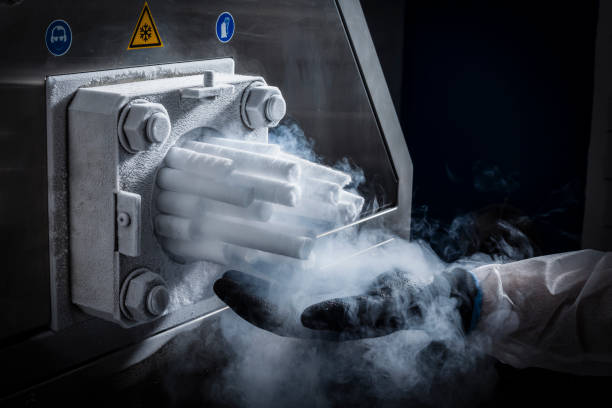
the solid form of carbon dioxide Freeze-drying is a powerful preservation technique that removes moisture from food and other materials while maintaining their structure, nutrients, and flavor. While commercial freeze-drying equipment can be expensive, using dry ice offers a cost-effective and efficient alternative for at-home or small-scale freeze-drying. In this guide, we’ll explore how freeze-drying works, why dry ice is a great option, and how you can use it to preserve food and other items. What Is Freeze-Drying? Freeze-drying, also known as lyophilization, is a dehydration process that involves three key steps: Freezing : The food or material is frozen to preserve its structure. Sublimation : Water content is removed by turning ice directly into vapor without passing through the liquid phase. Final Drying : Any remaining moisture is eliminated to prevent spoilage. By removing moisture in this way, freeze-dried food retains its original shape, texture, and nutritional value while becoming lightweight and shelf-stable for years. Why Use Dry Ice for Freeze-Drying? Dry ice, the solid form of carbon dioxide (CO₂), is a highly effective freezing agent for freeze-drying because: It has an extremely low temperature (-109.3°F / -78.5°C), which freezes food quickly. It sublimates directly into gas, creating a vacuum-like effect that draws moisture out of the food. It is widely available and more affordable than professional freeze-drying machines. How to Freeze-Dry Food Using Dry Ice Step 1: Gather Your Materials You’ll need: Fresh food (fruits, vegetables, meats, or cooked meals) A vacuum-sealable or airtight container Dry ice (available at grocery stores or specialty suppliers) A large cooler or insulated box A wire rack or tray Gloves and safety gear for handling dry ice Step 2: Prepare the Food Wash, peel, and slice food into small, uniform pieces to allow for even drying. If freeze-drying cooked meals, allow them to cool completely. Arrange the food in a single layer on a wire rack or perforated tray for better airflow. Step 3: Pre-Freeze the Food For best results, place the prepared food in a regular freezer for a few hours before starting the freeze-drying process. This helps retain its shape and texture. Step 4: Place Food in an Insulated Container with Dry Ice Put a layer of dry ice at the bottom of a large cooler or insulated container. Position the food tray on top of the dry ice (without directly touching it). Fill the container with more dry ice, completely covering the food. Close the lid loosely to allow CO₂ gas to escape safely. Step 5: Let Sublimation Occur Over the next 24 to 48 hours, the dry ice will sublimate, drawing moisture out of the food. Avoid sealing the container tightly, as CO₂ gas buildup can cause pressure-related hazards. Step 6: Check for Complete Freeze-Drying To test if the food is fully freeze-dried: Break a piece in half if it crumbles easily and has no cold or soft spots, it’s done. If moisture remains, repeat the process with more dry ice. Step 7: Store Properly Place the freeze-dried food in vacuum-sealed bags, airtight jars, or Mylar bags with oxygen absorbers. Store in a cool, dark place for long-term preservation (freeze-dried foods can last years if stored correctly Applications of Freeze-Drying with Dry Ice Food Preservation Freeze-drying fruits, vegetables, and meats extends their shelf life while retaining nutrients and flavor. This method is especially beneficial for camping meals and emergency food supplies. Pharmaceuticals Lyophilization preserves delicate compounds like vaccines and biologics, ensuring their stability during transport and storage. Horticulture Freeze-drying flowers and seeds maintains their structure, color, and viability, making them ideal for long-term storage or decorative purposes. Conclusion Freeze-drying with dry ice is an easy and cost-effective way to preserve food while maintaining its flavor, nutrients, and texture. This method eliminates moisture through sublimation, extending the shelf life of fruits, vegetables, meats, and even complete meals. By following the steps outlined above, you can create lightweight, long-lasting food perfect for camping, emergency preparedness, or everyday use. With proper storage, your freeze-dried foods can remain fresh for months or even years, providing a convenient and reliable way to reduce food waste and enjoy seasonal ingredients year-round. Latest Posts


Uncategorized

The Impact of Ultra-Low Temperature Storage on mRNA Vaccine Efficacy: A Dry Ice Perspective

child students doing or testing a chemical experiment with science teacher by them side in laboratory classroom The rapid development of mRNA vaccines has revolutionized modern medicine, especially in the fight against diseases like COVID-19. However, one of the biggest challenges in distributing these vaccines is their extreme sensitivity to temperature. Unlike traditional vaccines, mRNA-based vaccines require ultra-low temperature (ULT) storage to maintain their potency. This is where dry ice—solid carbon dioxide (CO₂)—plays a vital role. Used extensively in pharmaceutical cold chain logistics, dry ice ensures that mRNA vaccines remain viable from the manufacturing facility to the patient’s arm. In this article, we’ll explore why ultra-low temperature storage is essential, how dry ice meets these needs, and what the future holds for vaccine preservation. Understanding mRNA Vaccines What Makes mRNA Vaccines Different? mRNA vaccines use messenger RNA to instruct the body’s cells to produce a protein that triggers an immune response. Unlike traditional vaccines, which use weakened viruses, mRNA vaccines don’t contain live pathogens, making them faster to develop and highly effective. Sensitivity of mRNA to Temperature Fluctuations The downside? mRNA molecules are incredibly fragile. They degrade quickly when exposed to heat, light, or even minor temperature variations. If not stored properly, the vaccine loses its effectiveness, rendering it useless. The Science Behind Ultra-Low Temperature Storage Why Does mRNA Degrade So Quickly? mRNA molecules break down due to the activity of enzymes and the natural instability of RNA. Higher temperatures accelerate this degradation, which is why strict temperature controls are necessary. The Role of Cold Chain Logistics Cold chain logistics refers to the process of transporting temperature-sensitive products while maintaining specific temperature conditions. For mRNA vaccines, this often means storage at -70°C or lower—a temperature range that dry ice can easily maintain. The Role of Dry Ice in mRNA Vaccine Storage Why Use Dry Ice (-78.5°C)? Dry ice is widely used in vaccine transport because it naturally maintains a temperature of -78.5°C, making it an ideal medium for ULT storage. Unlike mechanical freezers, dry ice doesn’t require electricity, making it perfect for mobile and remote distribution. How Does Dry Ice Compare to Other ULT Storage Methods? Dry Ice (-78.5°C) – Readily available, portable, and cost-effective Mechanical Freezers (-80°C) – Reliable but expensive and require electricity Liquid Nitrogen (-196°C) – Ultra-cold but difficult to handle for logistics Advantages of Dry Ice in Cold Chain Logistics Portability and Accessibility Dry ice can be used anywhere, making it ideal for vaccine distribution in areas with unreliable electricity or infrastructure. Cost-Effectiveness Compared to Mechanical Freezers Storing vaccines in mechanical freezers requires continuous power, adding significant costs. Dry ice offers a more affordable alternative. Scalability for Mass Distribution During global vaccine rollouts, dry ice made it possible to quickly scale vaccine shipments without relying on high-cost freezer facilities. Challenges of Using Dry Ice for Vaccine Storage Handling and Safety Concerns Since dry ice sublimates directly into carbon dioxide gas, it must be handled with care. In poorly ventilated areas, excessive CO₂ buildup can pose health risks. Sublimation and Continuous Replenishment Requirements Unlike mechanical freezers, dry ice doesn’t last forever. It sublimates over time, meaning shipments need constant replenishment. Real-World Applications: mRNA Vaccines and Dry Ice in Action COVID-19 Vaccine Distribution During the COVID-19 pandemic, Pfizer-BioNTech and Moderna relied heavily on dry ice to transport their vaccines worldwide. The logistics involved were complex, but dry ice played a crucial role in ensuring vaccine viability. Lessons Learned from Global Rollouts The COVID-19 vaccine rollout demonstrated the importance of an efficient cold chain. Countries that had limited access to dry ice faced delays and logistical hurdles. Innovations in Dry Ice Storage for Pharmaceuticals Advances in Insulated Containers and Packaging New vaccine shipping containers are now designed to extend dry ice lifespan, reducing the need for constant replenishment. Smart Tracking Technologies for Temperature Monitoring IoT-enabled sensors now allow real-time tracking of vaccine storage temperatures, improving accountability in the supply chain. Regulatory Considerations and Best Practices Compliance with WHO and FDA Guidelines Pharmaceutical manufacturers must adhere to strict regulations regarding vaccine storage and transport to ensure efficacy and safety. Best Practices for Vaccine Integrity During Transport Proper handling, real-time monitoring, and adherence to cold chain protocols are essential to prevent vaccine degradation. Sustainability Concerns and Solutions Environmental Impact of Dry Ice Production Dry ice is made from captured CO₂, which is environmentally better than emitting it into the atmosphere but still has sustainability concerns. Sustainable Alternatives and CO₂ Capture Technologies Efforts are being made to recycle CO₂ more efficiently to reduce emissions from dry ice production. Conclusion Dry ice plays a critical role in preserving the efficacy of mRNA vaccines by maintaining ultra-low temperatures during transport. While challenges like sublimation and handling risks exist, ongoing innovations in storage and logistics are helping improve vaccine cold chains worldwide. FAQs Why do mRNA vaccines require ultra-low temperature storage? mRNA degrades quickly at higher temperatures, making ULT storage essential for maintaining vaccine efficacy. How long can mRNA vaccines last on dry ice? Typically, mRNA vaccines can remain stable on dry ice for several days, depending on the container and insulation. What happens if mRNA vaccines experience temperature fluctuations? Even minor temperature fluctuations can reduce vaccine effectiveness, making strict cold chain management crucial. Are there any risks associated with using dry ice for storage? Yes, improper handling can cause CO₂ buildup, leading to asphyxiation risks in enclosed spaces. mRNA degrades quickly at higher temperatures, making ULT storage essential for maintaining vaccine efficacy. Typically, mRNA vaccines can remain stable on dry ice for several days, depending on the container and insulation. Even minor temperature fluctuations can reduce vaccine effectiveness, making strict cold chain management crucial. Yes, improper handling can cause CO₂ buildup, leading to asphyxiation risks in enclosed spaces. Latest Posts

Uncategorized

How Dry Ice Prevents Food-Borne Illnesses in the Supply Chain

The global food supply chain relies on careful temperature management to prevent food spoilage and contamination. One of the most effective cooling agents used in food transportation and storage is dry ice. This solid form of carbon dioxide (CO₂) helps maintain low temperatures, ensuring food remains fresh and safe to consume. But how exactly does dry ice help prevent food-borne illnesses in the supply chain? Let’s explore its role in maintaining food safety. The Role of Temperature Control in Food Safety Bacteria and pathogens thrive in what is known as the danger zone—a temperature range between 40°F and 140°F (4°C to 60°C). When perishable foods like meat, seafood, dairy, and frozen products are exposed to these temperatures, harmful bacteria such as Salmonella, E. coli, and Listeria can multiply rapidly, leading to food poisoning. To prevent this, food must be stored and transported at consistently cold temperatures. This is where dry ice plays a crucial role. How Dry Ice Prevents Food-Borne Illnesses 1. Maintains Ultra-Low Temperatures Dry ice sublimates (changes from solid to gas) at -109.3°F (-78.5°C), making it much colder than regular ice. This extreme cold helps: Keep frozen foods solid during long shipments. Extend the shelf life of perishable goods. Prevent bacterial growth, as most pathogens cannot survive at such low temperatures. 2. Does Not Leave Residue or Water Unlike regular ice, dry ice does not melt into liquid. Instead, it turns directly into gas, eliminating the risk of excess moisture that could promote bacterial growth and mold formation in food packaging. 3. Effective in Cold Chain Logistics The food supply chain often involves multiple transit points, from processing facilities to distribution centers, grocery stores, and restaurants. During transportation: Frozen meats, seafood, and dairy products require continuous cold storage. Specialty items like ice cream need deep freezing, which dry ice provides. Meal delivery services rely on dry ice to ensure food stays fresh until it reaches consumers. By preventing temperature fluctuations, dry ice helps reduce the risk of food spoilage and contamination at every stage. 4. Non-Toxic and Safe for Food Use Dry ice is made from carbon dioxide, a naturally occurring gas. It does not contain harmful chemicals or additives, making it a safe cooling agent for direct use with food packaging. 5. Useful for Emergency Cooling During power outages, refrigeration failures, or unexpected delays in transportation, dry ice serves as a backup cooling solution. It can prevent food from entering the danger zone until proper refrigeration is restored. Industries That Rely on Dry Ice for Food Safety Meat and seafood suppliers : Ensures freshness during long-distance shipping. Dairy industry : Keeps milk, cheese, and yogurt products at safe temperatures. Grocery stores and food retailers : Prevents spoilage in refrigerated sections. E-commerce and meal kit delivery : Maintains food integrity in transit. Catering and restaurant businesses : Helps store ingredients safely for extended periods. Best Practices for Using Dry Ice in Food Logistics To maximize the effectiveness of dry ice in preventing food-borne illnesses: Use proper insulation : Store dry ice in insulated coolers or packaging to retain its cooling power. Follow handling precautions : Always use gloves or tongs when handling dry ice to prevent burns. Ensure ventilation : Since dry ice releases CO₂ gas, storage areas should have proper airflow to prevent buildup. Monitor food temperatures : Use temperature sensors to ensure food remains within safe limits. Conclusion Dry ice is a powerful tool in the food supply chain, helping to maintain ultra-low temperatures, prevent bacterial growth, and extend the shelf life of perishable products. By ensuring food safety during transportation and storage, dry ice plays a vital role in reducing food-borne illnesses and delivering fresh, high-quality products to consumers. For businesses involved in food logistics, using dry ice effectively can mean the difference between safe food and a costly recall—making it an essential part of modern food safety practices. FAQs Can dry ice be used with all types of food? Yes, dry ice is safe for most food types, including meats, seafood, dairy, and baked goods. However, direct contact with dry ice should be avoided to prevent freezer burn. How should businesses handle dry ice safely? Dry ice should be handled with gloves to prevent burns and stored in well-ventilated areas to avoid the buildup of CO2 gas. How does dry ice differ from traditional ice in food safety? Dry ice maintains much lower temperatures than traditional ice, inhibits bacterial growth more effectively, and sublimates without leaving moisture, which reduces contamination risks. Is dry ice environmentally friendly? Dry ice is made from recycled carbon dioxide and sublimates back into the atmosphere without leaving residue, making it a relatively eco-friendly option compared to other cooling methods. Yes, dry ice is safe for most food types, including meats, seafood, dairy, and baked goods. However, direct contact with dry ice should be avoided to prevent freezer burn. Dry ice should be handled with gloves to prevent burns and stored in well-ventilated areas to avoid the buildup of CO2 gas. Dry ice maintains much lower temperatures than traditional ice, inhibits bacterial growth more effectively, and sublimates without leaving moisture, which reduces contamination risks. Dry ice is made from recycled carbon dioxide and sublimates back into the atmosphere without leaving residue, making it a relatively eco-friendly option compared to other cooling methods. Latest Posts

Scroll to Top

We’ll Respond Within Minutes – Contact Us!